On 26 and 27 May, ECOPLUS conducted “a weekend farming workshop; rice planting” in Tochikubo village in Niigata Japan. Under the limitation of lodging space, we had eight participants from Niigata city and Metropolitan area.
We had water shortage caused by extremely small snow in previous winter in 2016, and low temperature and wet condition in 2017. This year we had enough snow as same as usual years but temperatures went up after March and it melted snow substantially. Farmers are worrying again the shortage of water.
On Saturday, we started planting seedlings in a smaller paddy which has around 800 square meters. Those paddies which have been growing rice without any chemical materials, the area was filled with so many creatures, like tadpoles, dragonflies and butterflies.
Thanks to the strong sunshine, surface of the mud is very warm. We set 4-6 seedlings in one position 1 centimeter under the surface.
One of the participants was came from Thailand but she was from the central part of big city, Bangkok. She and his Japanese husband were so good at planting works although it was the first time for them.
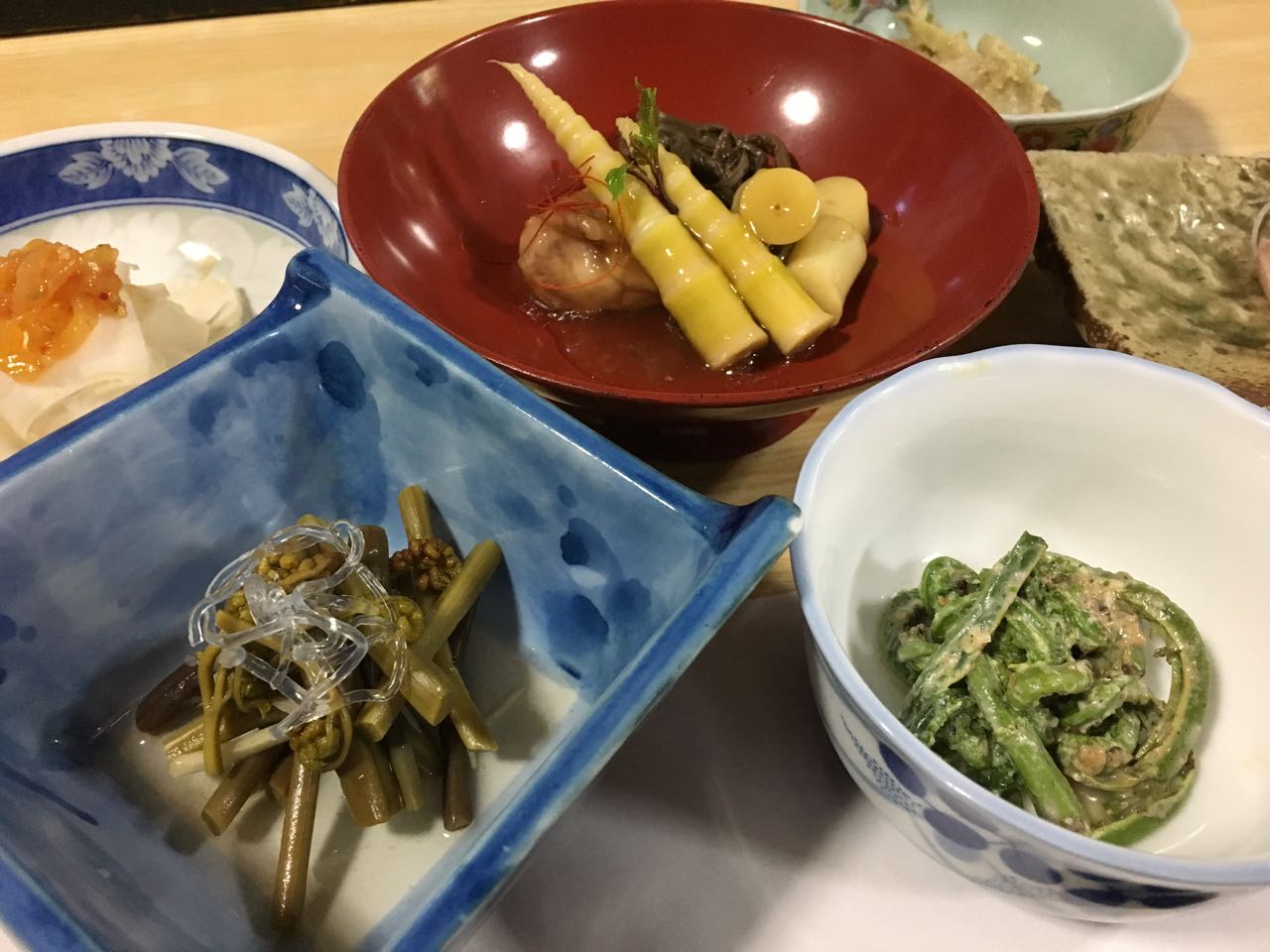
At the dinner so many dishes using wild vegetables just harvested by the chef from their hills were appeared. Some were boiled and mixed with sesame source or vinegar source, some were fried as “Templa”. We enjoyed the gorgeousness of the life in the mountain.
日曜日の作業前、苗を田んぼに運び込む It was also very nice weather on Sunday and one of the participants succeeded to see the beautiful sunrise at 4 o’clock in the morning.
After finishing rice planting using one hour and so, we had open air lecture from Mr. FUEKI Akira, a veteran farmer. He explained that in old days when the paddies were much smaller and narrow, they conducted rice plantings one paddy to next one moving water from upper paddy to lower one. He also taught that normally 20 pesticides, weed killers or other chemicals were used for rice growing in one season but for this totally organic rice paddy he uses no chemicals. Because of this, he needs to weed by hands at least three times before harvest in each paddies.
Environmental Education Center 環境学習施設えこっくる江東を訪問 隣接する環境学習情報館えこっくる江東にも訪れました。ヤップの子供達から「写真や模型、体験型のアクティビティ等を通して、水問題やゴミ問題について学ぶことができて分かりやすかった。」という意見がありました。また、分別することの重要性を各々が再認識しました。
Students arrived to Narita International airport. 成田空港に到着したヤップの若者たち Seven students and two chaperons fro Yap island, Micronesia, have arrived at Tokyo in the morning of Sunday, 11 March and were greeted by Japanese young volunteers. The students will stay in Japan for 10 days to learn about environment, like garbage and waste water issues in Tokyo and in rural area.
The study tour was organized by ECOPLUS, a non-profit organization based in Japan, with the support of Keidanren Nature Conservation Fund, United Airlines, Patagonia Japan and other organizations and citizens.
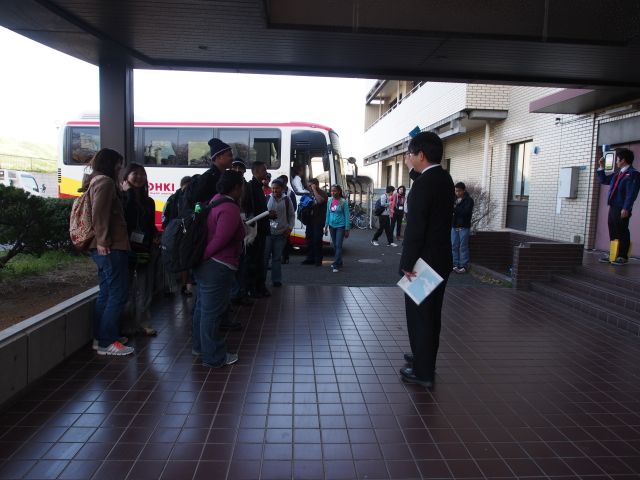
They departed Yap in the very early morning of the day and changed the plane in Guam. When they reached to the Tokyo international airport, 14 young Japanese were waiting for them. The temperature in Tokyo was like 10 C or 50 F. Many of students were saying it was a bit cold. They were given warm jackets and ride on the bus to the Tokyo Central Youth Hostel.
Walking around the hostel with Japanese students. After checking in to the youth hostel, they took a walk around the area to observe the difference and similarities between Japan and Yap.
Professor NAKANO Kazunori of Nihon University joined them at 3:30 pm and gave then a hands-on lecture how to manage the quality of waste water from houses. They got sample water from the river next to the hostel and did experiments to filter those water through gravels, sand, and charcoal.
It was quite dense and long day for Yapese students but they were still so excited.
Students from Yap in the bus to Tokyo with Japanese friends. 成田空港からバスで都心に向かうヤップと日本の若者たち ミクロネシア連邦ヤップ島からの中高生7人と2人の保護者が、2018年3月11日午前、成田空港に到着しました。一行は、日本の若者たちと一緒に、これから10日間、日本でのゴミや生活排水などの環境問題を学ぶ予定です。
Experiment to filter the water. 飯田橋にあるユースホステルに到着した後は、日本の学生たちと一緒に付近を散策して、日本とヤップの違いを探しました。午後3時からは、日本大学の中野和典教授に来ていただいて、排水処理の講座。実際に、近くを流れる川から水を汲んで、石ころや砂、炭などを通して、どのようにろ過がされるのかなどの実験をしました。
The day 3 would be ‘Big business day.’ Students started to have a lecture at Maeda corporation, a global construction company which once build fishing harbors and large freezers in Yap. The company provided them a overview of environmental issues in general and then moved to their cases in their development activities.
Today was one of the busiest day. And the weather was totally different from that of yesterday: it was cold and windy.
Most Yapese seemed to feel cold all day long. (some got out without giving it too much thought about the weather so they seemed even to get frozen. anyway, in a sense, it was a good experience for them to know the difference of climate before they go to Nigata)
We gathered at 7 in the morning!! (crazy….so early!!) We got on a bus and went to Tsukizi Fish Market.
At the market, Mr.Hirako showed us some restaurants which he recommended to have breakfast.
After we had breakfast, Mr.Niimi from Daito Gyorui company took us to see through the fish market. There were plenty of fish with different types, colors and shapes. Many of those fish seemed familiar to Yapish students.
And then Mr.Niimi gave us a lecture and showed us a video about how the fish market is working now and its history.
For me this was also the first time to see around Tsukizi fish market, so it was amazing and I learned about a lot of things.
Next we went to the “Chuohu Bohatei,” it is the dumping site of garbage from all over Tokyo 23 wards.
It was huge area. Even Japanese, we rarely see inside the dumping site, so there were a lot of things which I knew for the first time .
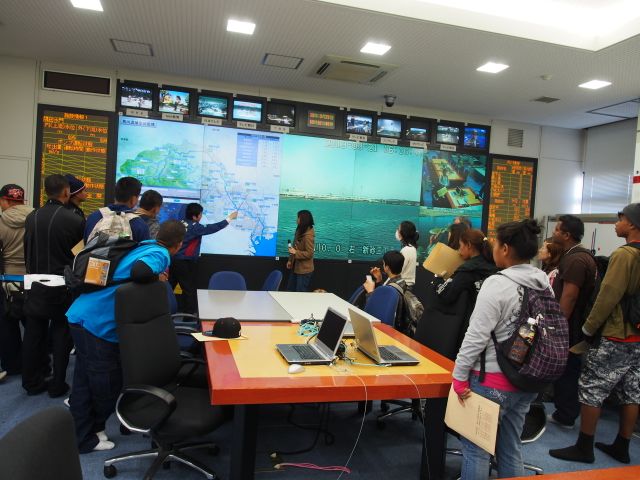
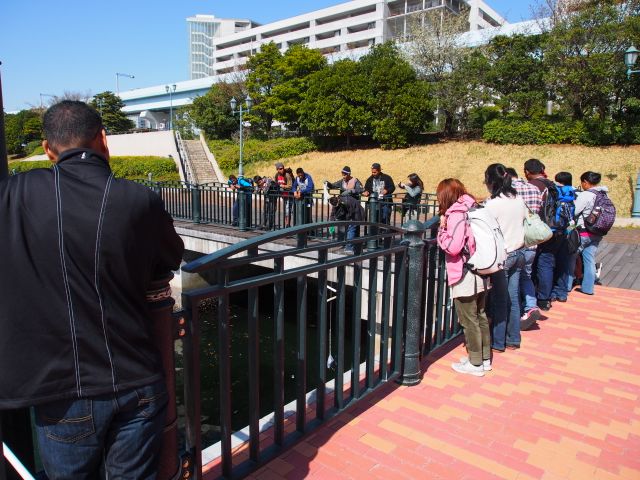
Then, we tested water visibility in two spots in order to compare with that in Yap. At a river management center and we were welcomed by a lot of officers and through the lectures here we learned that water and waste are really connected issues.
In late evening we took “UDON,” or Japanese noodles and had reflection session at the youth hostel exchanging opinions over trash and water issues.
At the end, I really appreciate my friend, Xinle, for her hard work for the translation in such busy schedule.